- Jan 23, 2025
The Fascinating History Watercolor Paint
- Quil Castro
- 0 comments
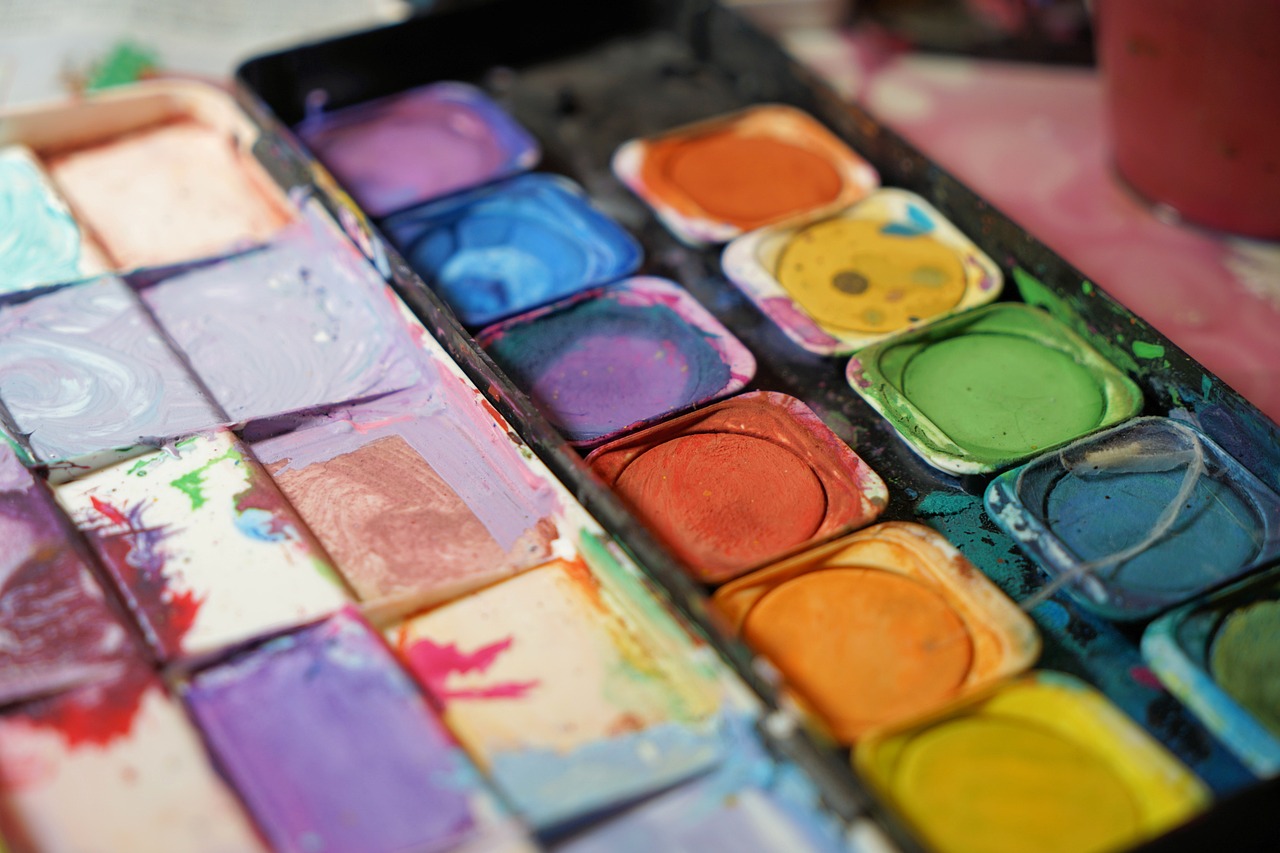
Watercolor paint is known for its vibrant colors and beautiful transparency, making it a favorite medium for artists around the world. It has a rich history that spans thousands of years, from ancient cave paintings to East Asian art. Let's dive into its early mentions, ingredients, and how it was used before becoming the popular medium it is today.
Early Mentions of Watercolor Paint
Watercolor paint has been used since the earliest days of human history. Early humans used natural pigments mixed with water to create paintings on cave walls. One famous example is the Lascaux Cave in France. In China, watercolor was a key part of traditional art forms, such as brush and scroll painting. Middle Easterners later brought this technique and materials such as paper to Europe.
Early Ingredients and Creation of Watercolor Paint
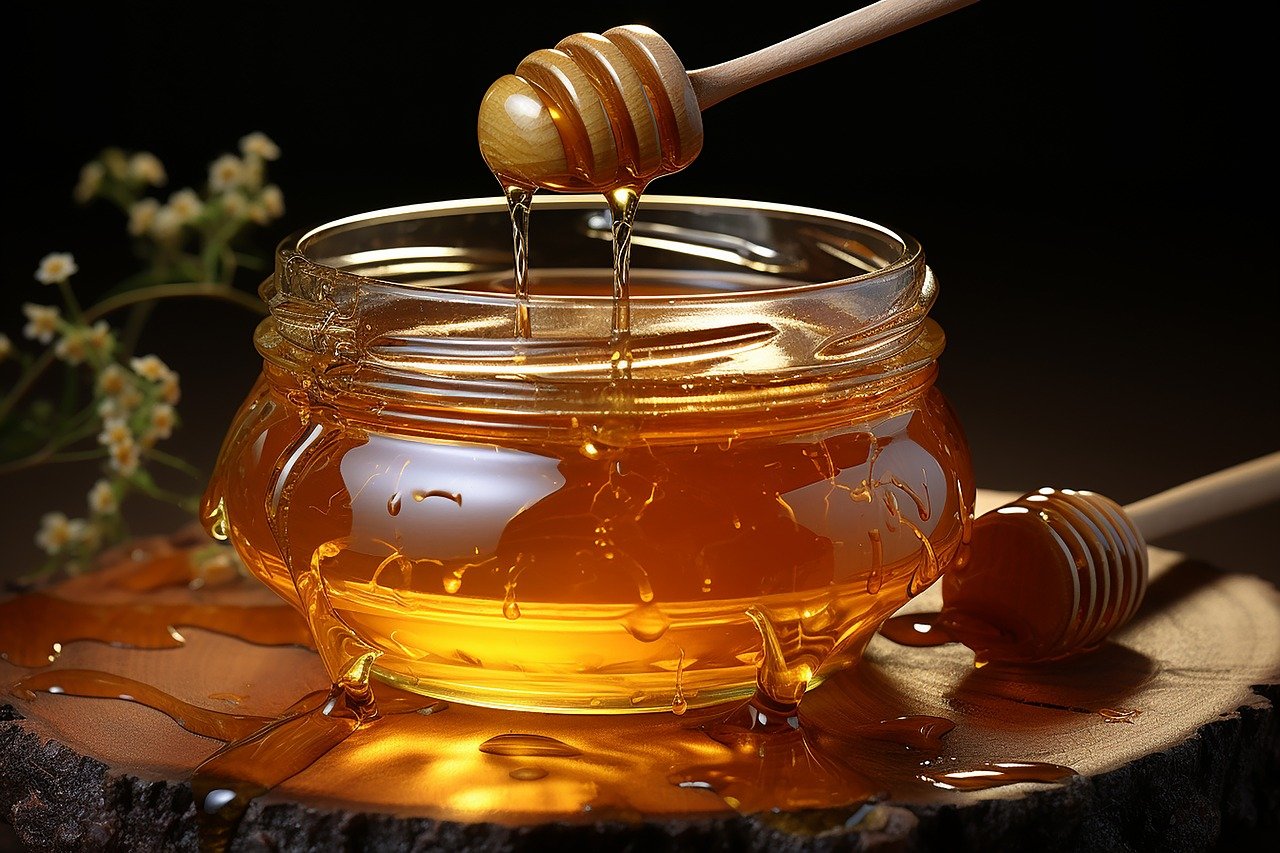
The basic ingredients of watercolor paint are simple. There are pigments, binders, and additives. Pigments are the substances that give the paint its color. Early pigments were made from natural materials such as ochres (a type of clay) and charcoal. Binders hold the pigments together and help them stick to the paper, artists use a natural resin called gum arabic, which comes from the acacia tree. Sometimes, other substances were added to improve how the paint worked and how long it lasted. For example, honey was used by ancient Egyptians and medieval European artists as a natural preservative. Honey helps keep the paint moist and enhances its flow on the paper. There are still brands who create their watercolors including well known companies M. Graham & Co and Sennelie.
Watercolor's First Uses
Before watercolor became a stand-alone art form, it had other important roles. In ancient Egypt and medieval Europe, artists used watercolor to decorate and add color to manuscripts and books. Artists often used watercolor for sketching and planning their artwork rather than using it for the entire piece. It helped them try out ideas and make their final pieces more interesting. Eventually it evolved into an independent medium. During the Renaissance, artists including Albrecht Dürer started using watercolor as a main medium, paving the way for its future popularity.
Conclusion
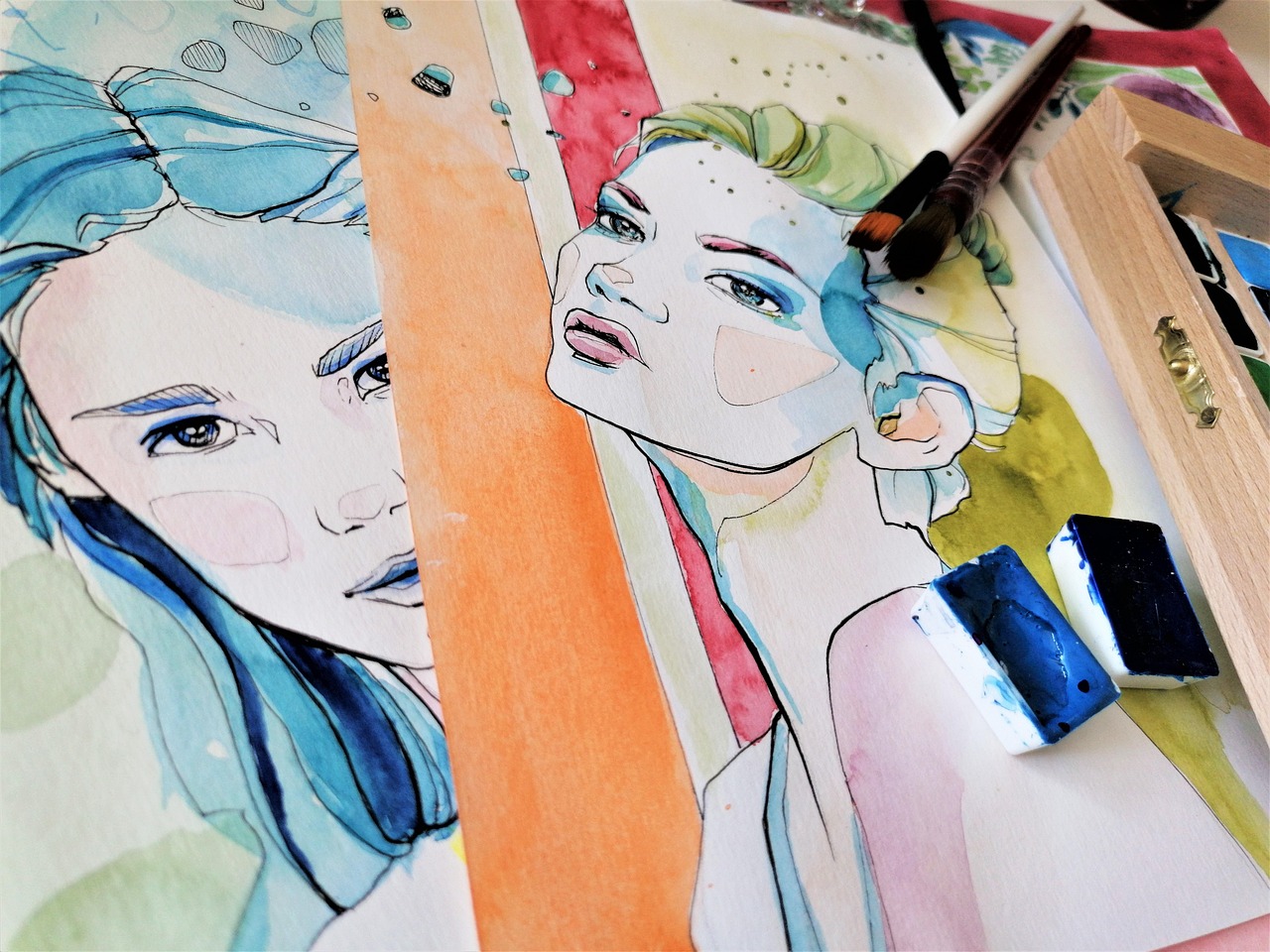
The journey of watercolor paint from ancient caves to modern art studios is truly fascinating. Its rich history and unique qualities make it a beloved medium for artists of all ages.
Still curious? Here are some sources for further learning if you'd like to explore more:
https://www.newworldencyclopedia.org/entry/Watercolor_painting